Key Takeaway
- Ledderhose disease symptoms may include firm lumps and tenderness in the arch of your foot
- Symptoms do not always worsen, and many people manage pain effectively with only conservative treatments for many years
- If symptoms are affecting your daily life, treatments like low-dose radiotherapy (LDRT) can relieve pain and manage progression
What Is Ledderhose Disease?
Ledderhose disease (plantar fibromatosis) is a non-cancerous (benign) condition in which small, firm lumps called nodules develop in the thick band of tissue along the sole of the foot (plantar fascia).
The condition usually develops slowly. Some people experience little or no discomfort, while others develop pain when standing or putting pressure on the nodules. As symptoms worsen, walking, running and other everyday activities can become increasingly difficult.
Is Ledderhose Disease Related to Dupuytren's Disease of the Hand?
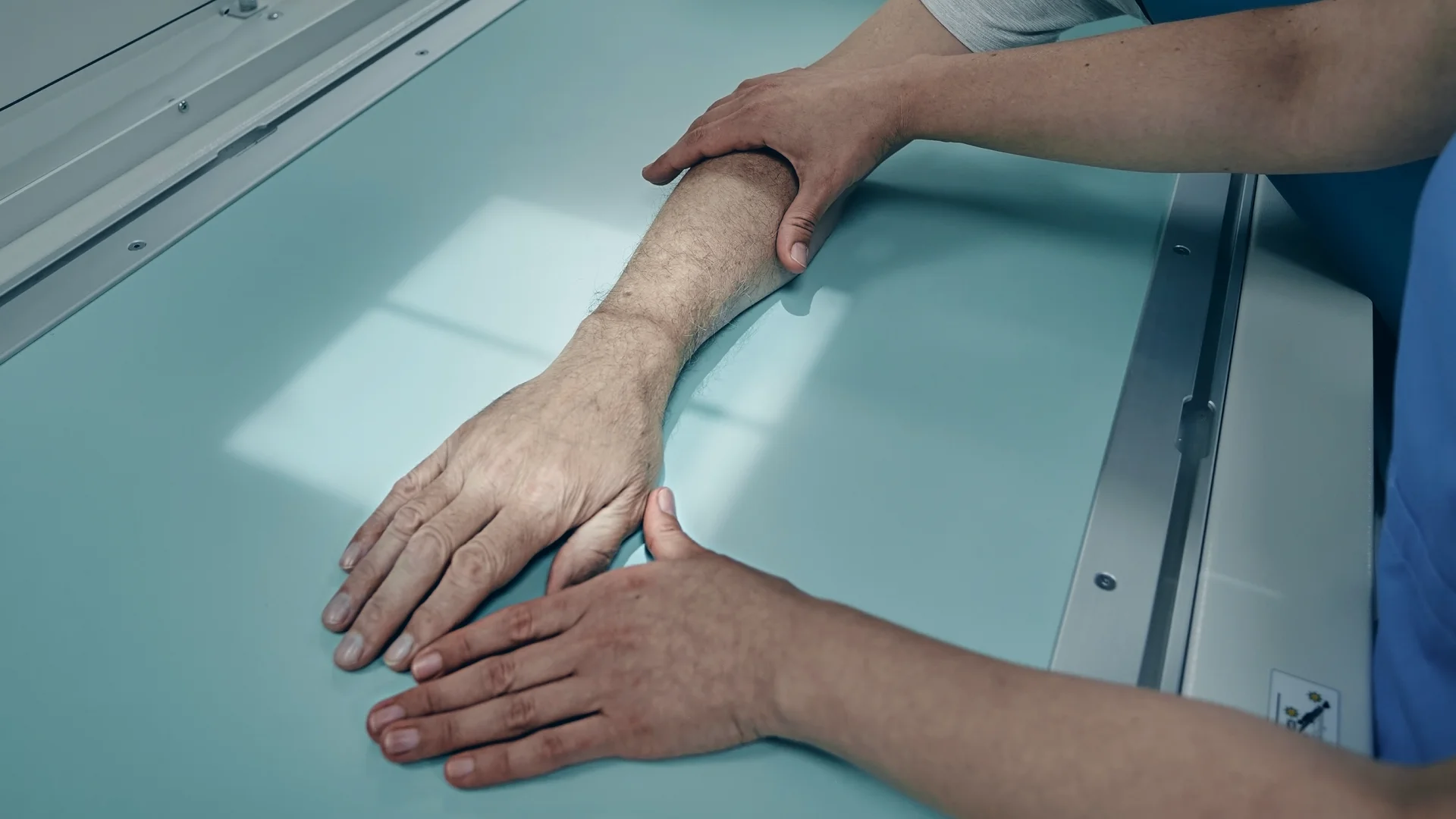
Ledderhose disease is closely related to Dupuytren’s disease, a condition that causes nodules and sometimes tightening of the tissue in the palms of the hands and fingers.
Both conditions involve similar changes in connective tissue, and some people develop both. If you have Dupuytren’s disease, you are more likely to develop Ledderhose disease, although most people with Dupuytren’s do not develop problems in their feet.
Because of this connection, your doctor may also ask whether you have any lumps or changes in your hands when assessing Ledderhose disease.
Symptoms and Signs
Ledderhose disease usually develops gradually, with small, firm lumps forming in the tissue along the sole of the foot. Some people have no symptoms, while others experience pain or discomfort, particularly when putting pressure on the affected area.
Common signs and symptoms include:
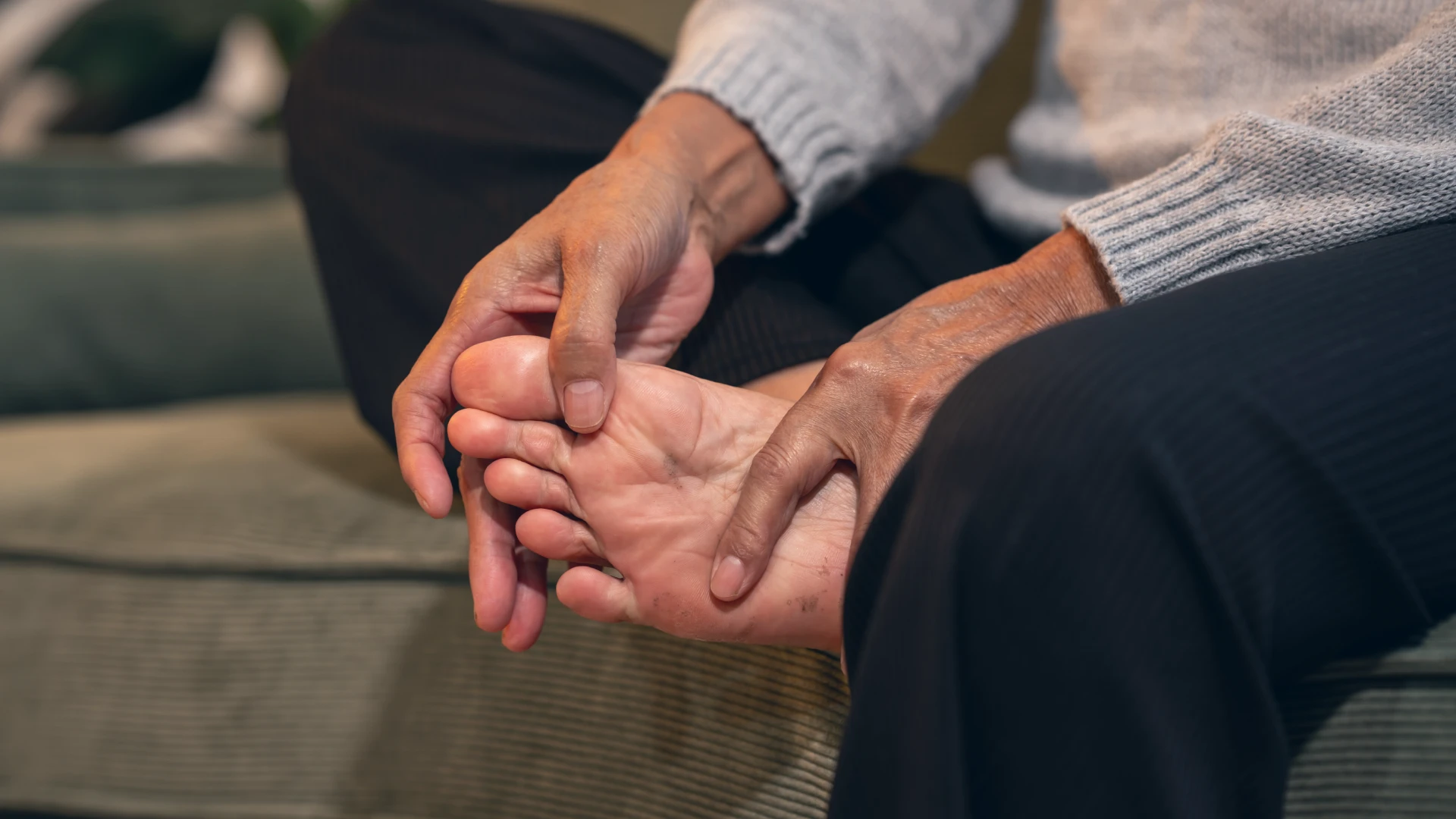
- Firm lumps or nodules: These usually develop along the arch of the foot. There may be a single nodule or several, and they can gradually increase in size or number.
- Foot pain or tenderness: The nodules may be painful when pressed, particularly when walking barefoot or standing for long periods.
- Discomfort when wearing shoes: Pressure from footwear against tender nodules can make walking uncomfortable, particularly in shoes with firm or poorly cushioned soles.
- Difficulty walking or running: If the nodules become painful, they can affect how comfortably you walk, exercise or carry out everyday activities.
The condition does not always progress. Many people have stable nodules for years, with little or no discomfort. Significant tightening of the plantar fascia leading to contracture is very rare.
If you notice a lump in the sole of your foot, a doctor can examine it and assess whether it is likely to be Ledderhose disease. Monitoring may be sufficient if the nodules are stable and painless, while treatment can be considered if they become painful or continue to grow.
Causes and Risk Factors
While experts aren’t exactly sure what causes Ledderhose disease, several factors have been linked to it. These include:
- Genetic factors: Ledderhose disease can be inherited. Having a relative with the condition, or a related hand condition called Dupuytren’s contracture, can increase your risk of developing it.
- Age: Studies show that people between 30 to 50 years old are more likely to develop the condition.
- Sex: Ledderhose disease is twice as likely to affect men as women.
- Ethnicity: Ledderhose disease shows up more often in people of white, Northern European descent compared to any other ethnic group.
- Trauma or injury: These can be triggers for Ledderhose disease, especially if you have a genetic predisposition for the condition.
How Is Ledderhose Disease Diagnosed?
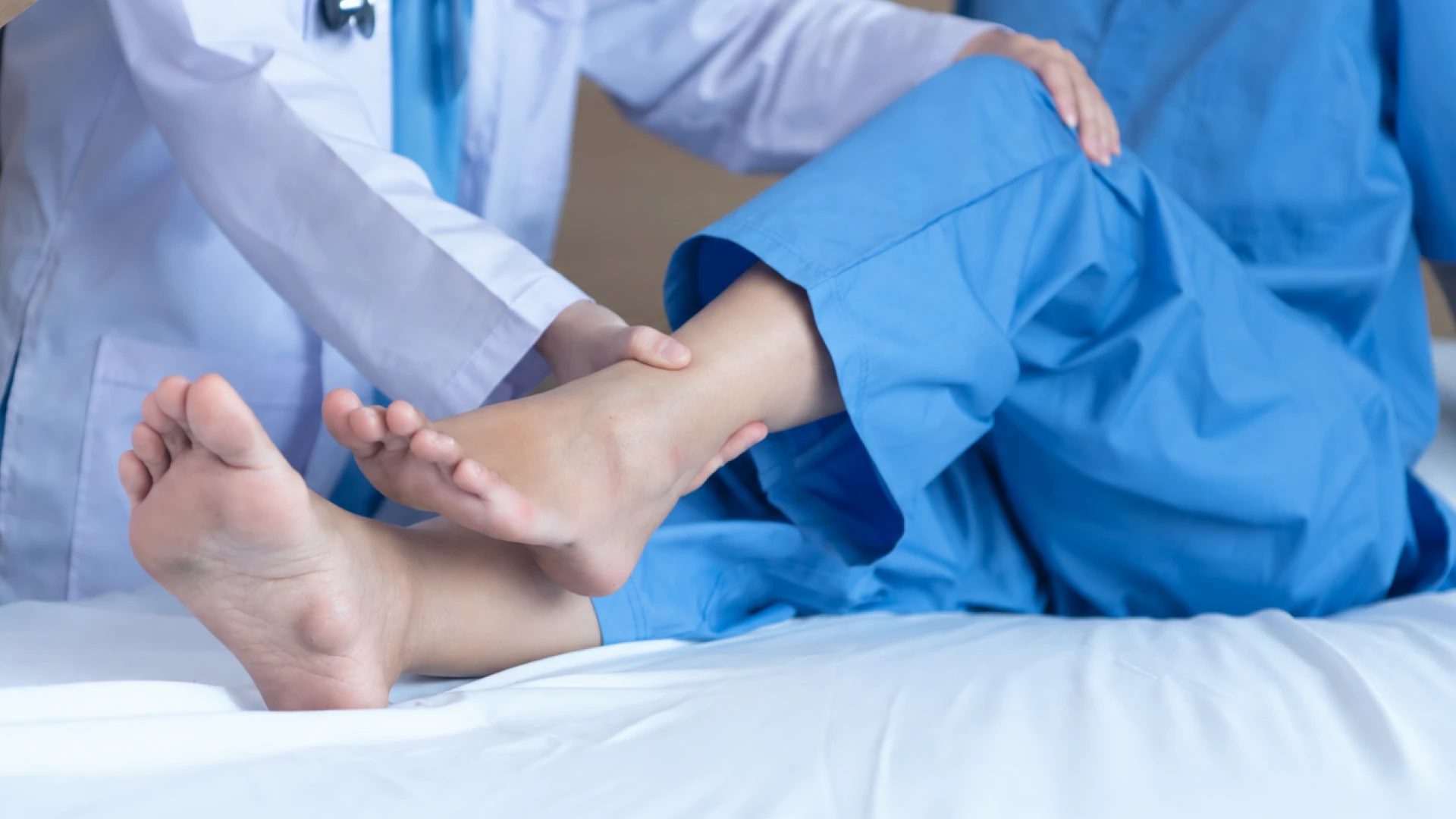
Doctors can generally diagnose Ledderhose disease with a clinical examination. This typically involves:
- A foot examination to investigate your foot and any nodules
- Questions about your symptoms and medical history, including any previous foot injuries or trauma
Talk to a doctor when you first notice any new lumps in your feet. Lumps or nodules can appear for different reasons, and our doctors at Ergéa Clinics can assess them in person. If they are not painful or affecting your walking or standing, you may not need treatment.
Ledderhose disease can usually be diagnosed by examining the foot and feeling the nodules along the plantar fascia. Imaging is rarely necessary.
If there is uncertainty about the diagnosis, an ultrasound or MRI scan may occasionally be recommended to examine the nodules more closely and rule out other conditions. Imaging is not carried out on site at Ergéa Clinics.
Treatment Options
If treatment is needed, there are several ways to manage the symptoms of Ledderhose disease.
Conservative Management (First-Line)
If the nodules are causing little or no discomfort, treatment may not be necessary. When they become painful, simple measures to reduce pressure on the affected area can often help.
These include:
- Cushioning: Soft insoles or padding can help reduce pressure on painful nodules, making standing and walking more comfortable.
- Footwear changes: Shoes with well-cushioned soles and enough room for the foot may help reduce discomfort.
- Specialist orthotics: Custom-made insoles can be designed to relieve pressure around the nodules. Standard arch-support insoles can sometimes make symptoms worse by pressing directly against them.
- Activity adjustments: Reducing or modifying activities that put repeated pressure on the nodules, such as prolonged standing or running, may help manage pain.
Gentle stretching may also help with general foot comfort, although there is little evidence that it affects the nodules themselves.
Many people manage well with these measures for years, while others with painless, stable nodules may need no treatment at all.
Low-Dose Radiotherapy
Low-dose radiotherapy can help slow or stop the progression of Ledderhose disease. Studies have shown that it can reduce pain and the size of the nodules, as well as improve walking and quality of life.
Radiotherapy is a good option when conservative treatments have not provided enough relief, particularly if painful nodules are making walking, standing or other everyday activities difficult.
At Ergéa Clinics, treatment involves five sessions over one week. Each session takes around 10 minutes and is painless and non-invasive. After a three-month break, a further five sessions are given, making a total of 10 treatments.
Surgery
Surgery is generally not recommended for Ledderhose disease because the nodules have a high risk of returning after removal.
Surgery also causes trauma to the affected tissue, which may stimulate further nodule formation. In some cases, patients can develop more extensive disease and greater pain than they had before the operation.
Very occasionally, more extensive surgery to remove affected tissue may be considered for people with severe symptoms who have not responded to radiotherapy or other treatments. However, this is extremely unusual, and surgery is generally avoided wherever possible.
Speak to one of our specialists about Ledderhose Disease
Book an initial consultation, and one of our specialist consultants will talk you through exactly where things stand and whether low-dose radiotherapy could be right for you.
Frequently Asked Questions
I also have Dupuytren's disease. Are the two conditions related?
Yes. Ledderhose disease and Dupuytren’s disease are closely related conditions. Both involve the development of firm nodules in connective tissue. Ledderhose disease affects the soles of the feet, while Dupuytren’s disease affects the palms of the hands and fingers.
Some people develop both conditions, although having one does not mean you will necessarily develop the other.
Will Ledderhose disease get worse?
Not necessarily. In some people, the nodules gradually grow or more nodules develop, while in others they remain unchanged for many years.
If your nodules are small and painless, you may not need any treatment. However, if they are growing or becoming painful, it is worth seeking advice about treatment options.
Is Ledderhose disease hereditary?
Yes, Ledderhose disease can run in families. Having a close relative with Ledderhose disease or Dupuytren’s disease increases your risk.
However, you can develop Ledderhose disease even if nobody else in your family has it, because these conditions do not necessarily appear in every generation. Having a family history also does not mean you will definitely develop the condition.
Is Ledderhose disease the same as plantar fasciitis?
No. Plantar fasciitis occurs when the plantar fascia (the thick band of tissue along the sole of the foot) becomes strained or irritated, sometimes with inflammation. It typically causes pain around the heel.
Ledderhose disease involves the growth of firm nodules within the plantar fascia, usually along the arch of the foot. These nodules may be painless or become tender when pressure is applied.
Although both conditions affect the plantar fascia, they are different conditions and are treated differently.
Can Ledderhose disease be cured?
There is no guaranteed cure for Ledderhose disease. However, there are treatments available that can relieve pain and help prevent the condition from getting worse.
These include:
- Cushioning and footwear changes: These can reduce pressure on painful nodules and make walking more comfortable.
- Low-dose radiotherapy: This has been shown in studies to reduce pain and slow or stop disease progression. It can also reduce the size of the nodules.
- Injections and creams: Various treatments have been tried, but there is currently limited evidence that they provide reliable, long-term benefits.
Many people with Ledderhose disease have stable nodules and need little or no treatment.
Is surgery recommended for Ledderhose disease?
Surgery is discouraged because Ledderhose nodules have a high risk of returning after removal. The trauma caused by surgery may also stimulate further nodule formation, potentially leaving patients with more extensive disease and greater pain than before.
Very occasionally, extensive surgery may be considered for people with severe symptoms who have not responded to radiotherapy or other treatments. However, this is extremely unusual.